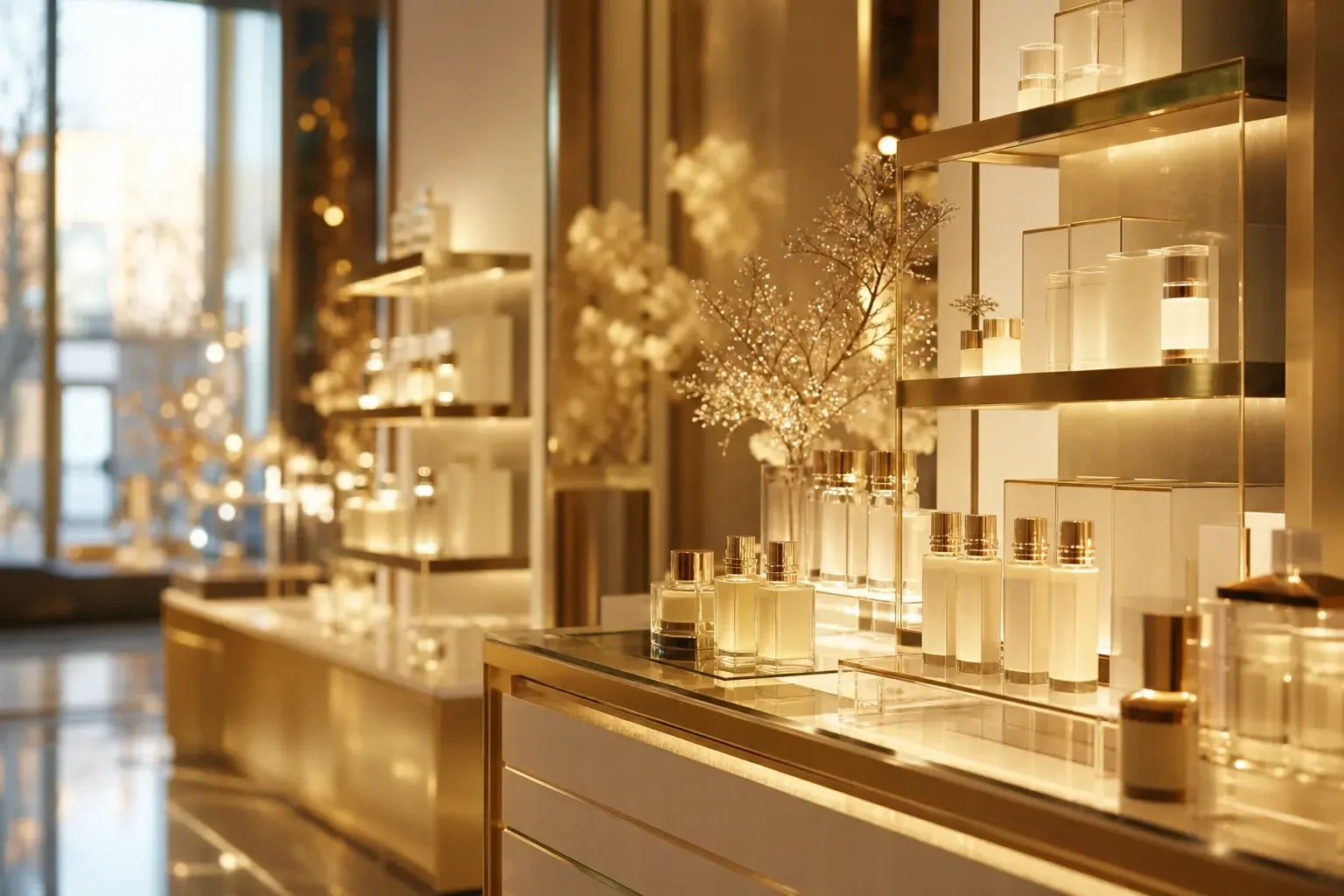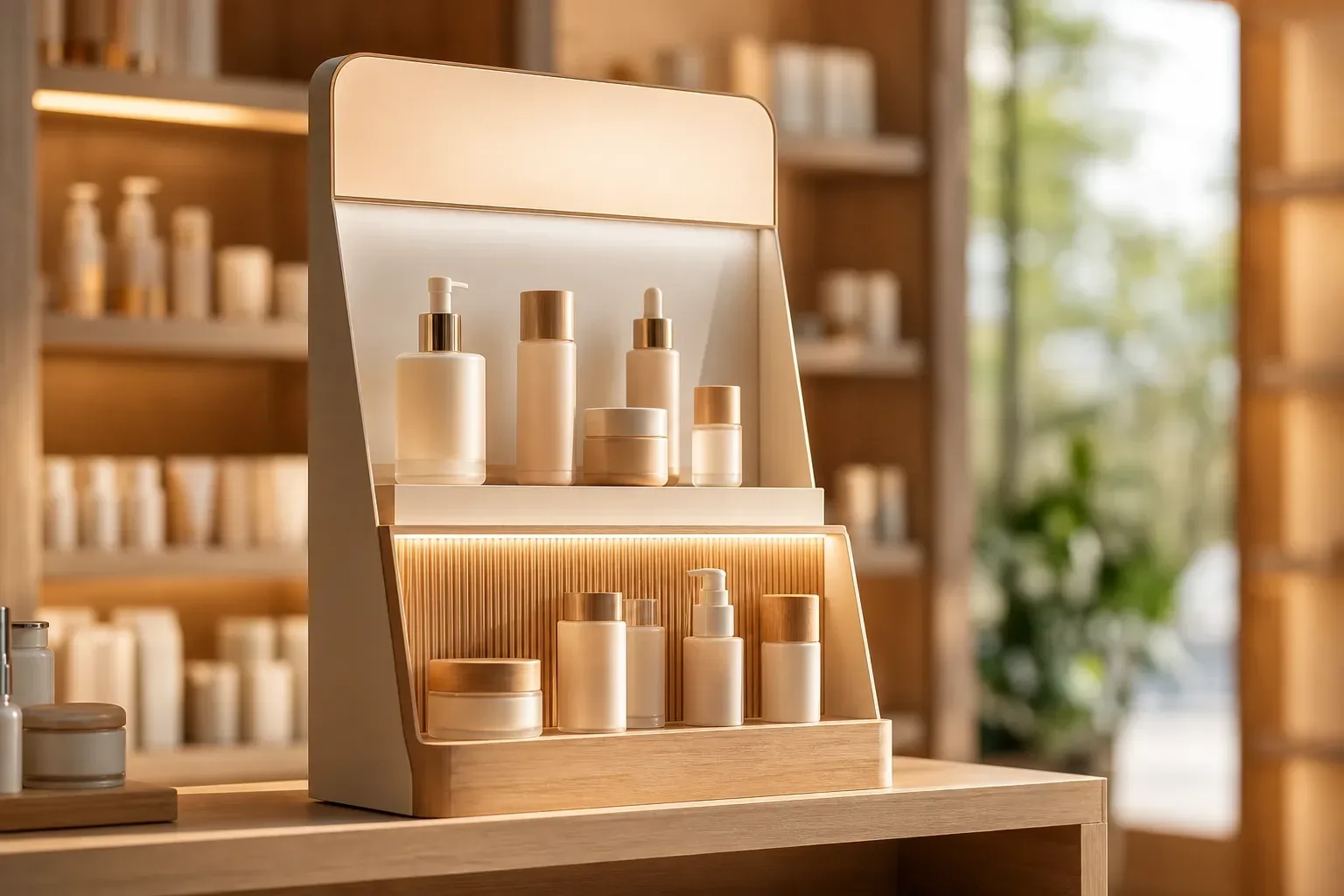
Custom POS displays for every sector
We design and manufacture displays and brand spaces for the sectors where the point of sale decides everything.
See all solutions →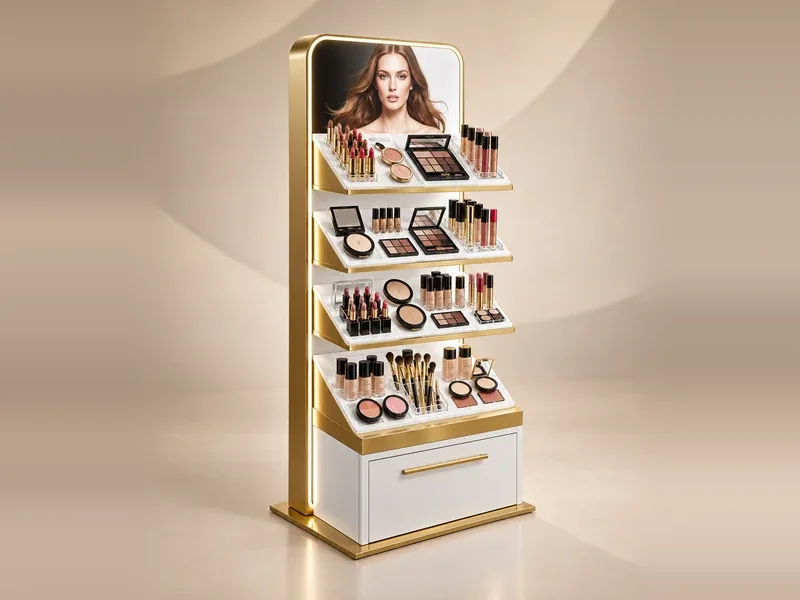
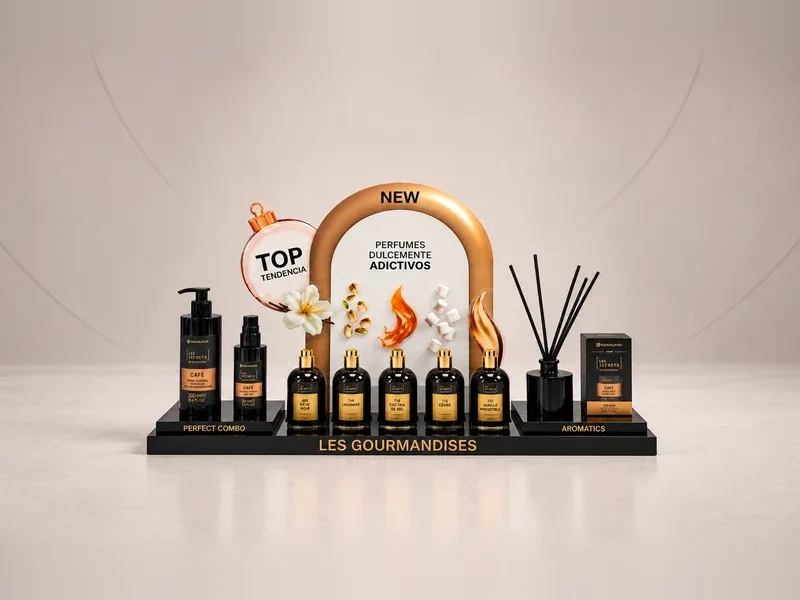
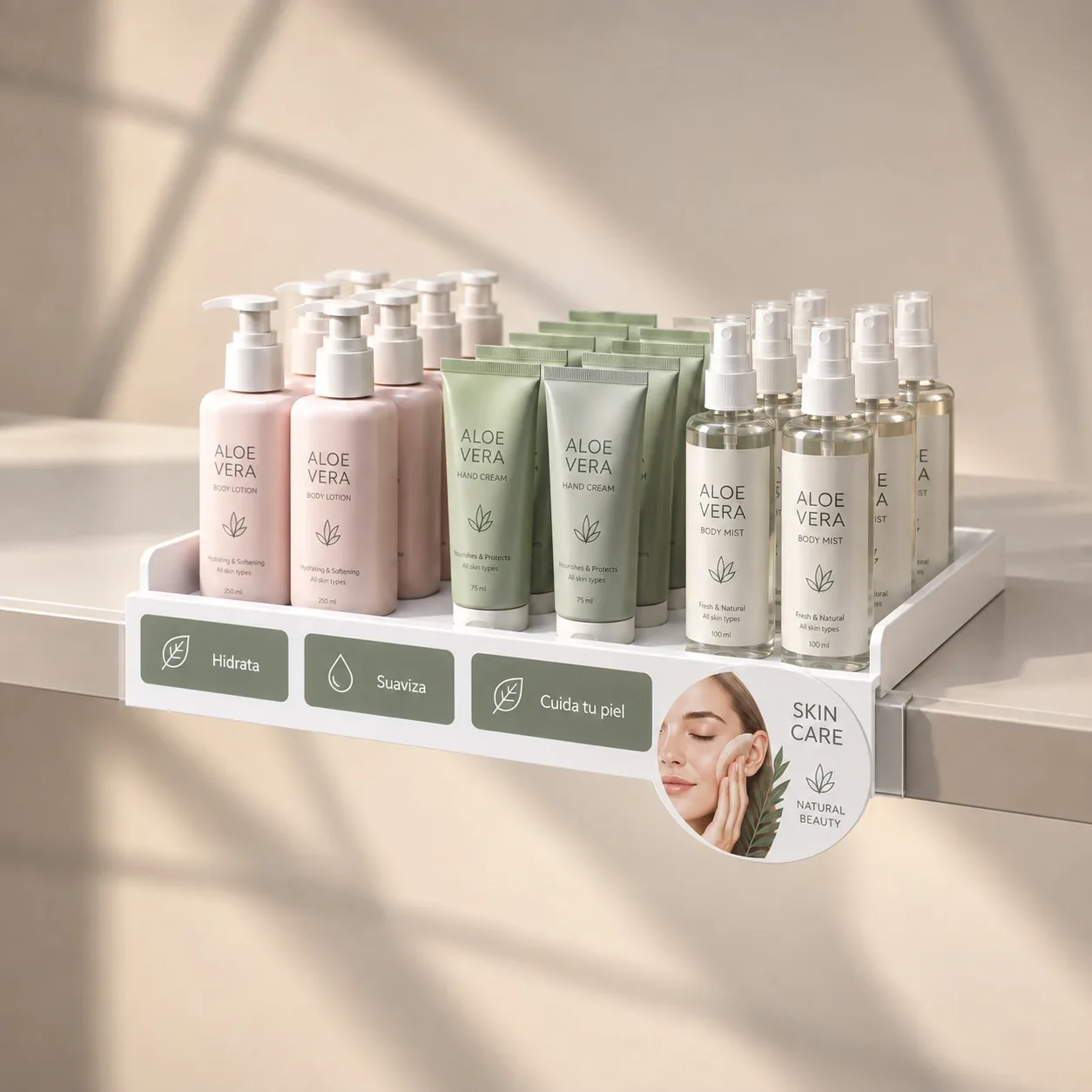
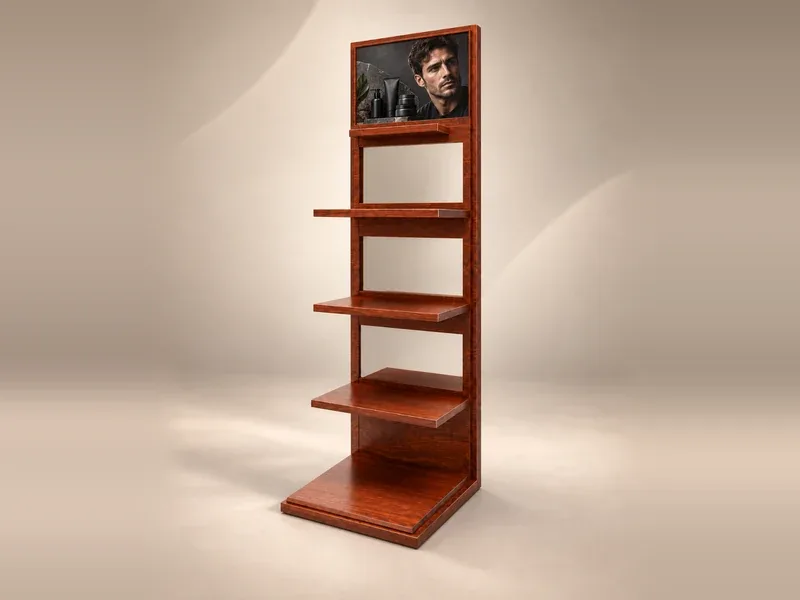
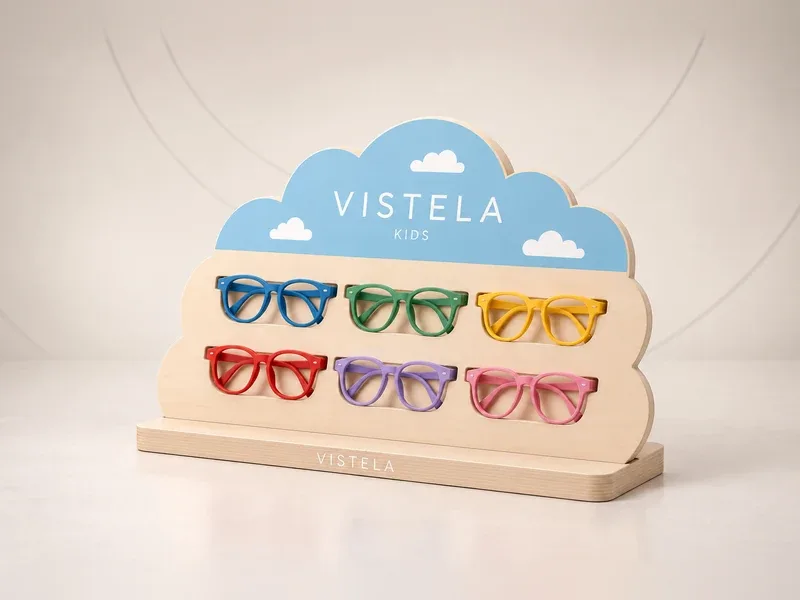
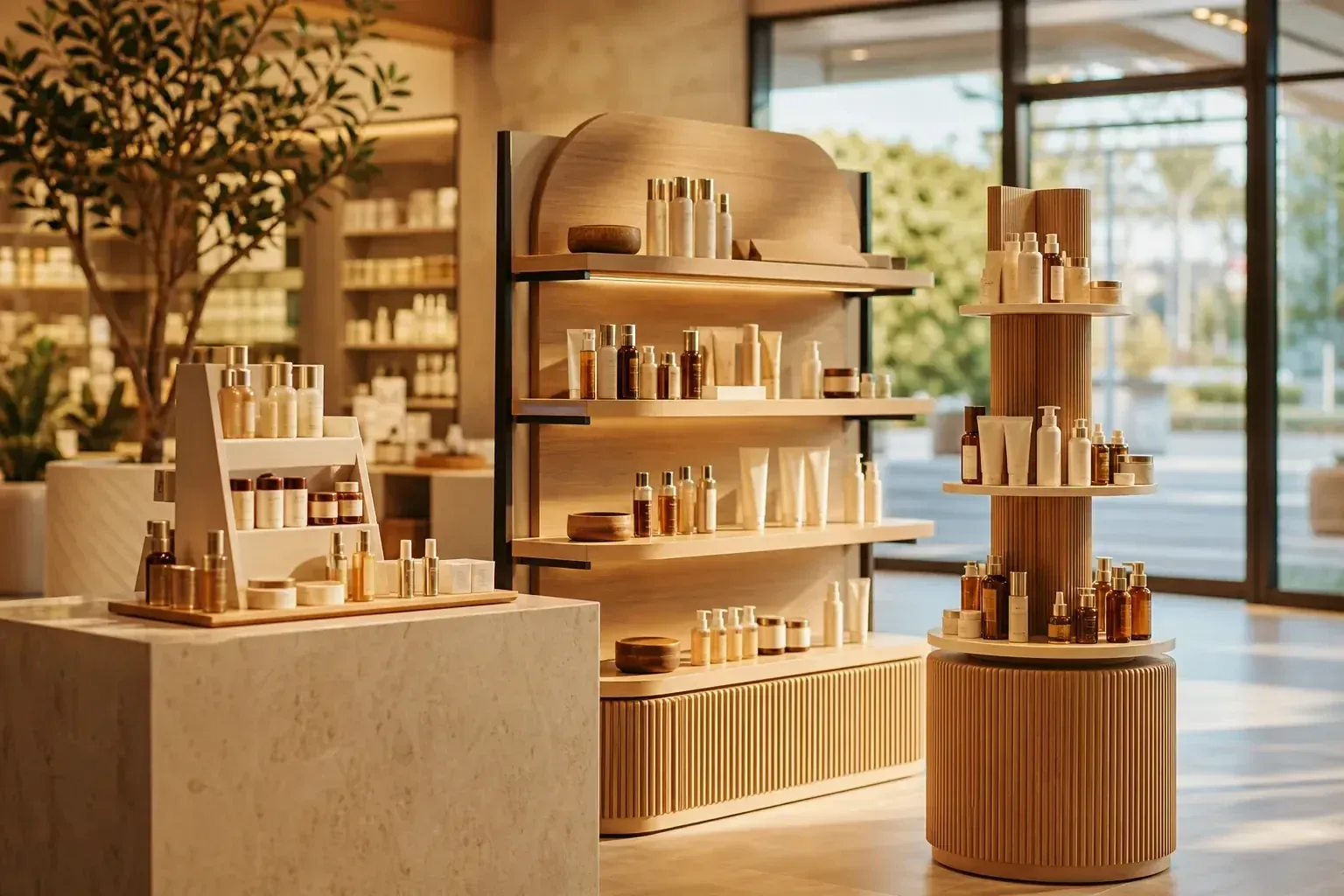
Not all cosmetics displays do the same job. A tester at the entrance, a skincare gondola and a launch column answer different goals, sit in different zones of the store and cost very different things. Choosing the wrong display type is the quietest way to waste your POS budget.
In this guide we go through the six most-used POS display types in cosmetics: what each does well, where to place it and when it pays off. At Atamark we have been manufacturing POS displays for cosmetics, perfumery and pharmacy brands for more than a decade, and the conversation with the client almost always starts with the same question: «what display type do I actually need?».
1. Display type is not aesthetics: it’s function
Before talking materials or graphics, one decision conditions everything else: what role the display plays in the customer journey. Does it interrupt at the entrance? Support the decision on the shelf? Invite trial? Announce a launch?
Each answer points to a different format. That’s why, before requesting a quote, it’s best to be clear on three things: the store zone where it will sit, the objective (awareness, trial, direct sale, loyalty) and the duration of the action (short campaign or permanent presence).
📖 When to plan each action? We explain it in the Cosmetics retail calendar 2026: campaigns, trade shows and lead times →
2. The six POS display types for cosmetics
Counter display
Small, placed near the till or on the counter. Ideal for impulse product: minis, novelties, small kits. It seizes the payment moment, when the customer already has their wallet in hand. Low cost and very high return per centimetre occupied.
Floor-standing display / gondola
The workhorse of cosmetics POS. A standing structure with several shelves to hold a full range. It works in the aisle or as a gondola end, and lets you tell a brand story with enough product to sustain rotation. It’s the format that best balances presence and capacity.
Island or central podium
A freestanding display, accessible from all four sides, placed in high-traffic walkways. Maximum awareness: it’s the format for launches and flagship campaigns. It needs space and negotiation with the retailer, but no other format generates as much impact.
Tester display
Designed for the customer to try: fragrance testers, texture samples, mirrors. In cosmetics, trying is buying — and a good tester unit with easy replenishment and a hygiene area multiplies conversion. It’s the most underrated format and the one that sells most when executed well.
Column or totem
Vertical, narrow, with high visual reach. Perfect when floor space is scarce but you want presence: it takes little floor and a lot of attention. Widely used for a single brand or a specific line at launch.
Brand shelf / custom fixture
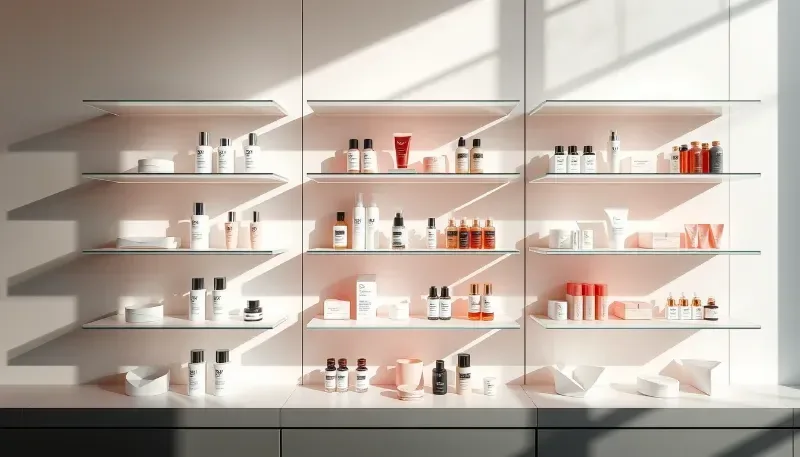
Not a freestanding unit, but the takeover of a shelf section with brand graphics, lighting and dividers. It turns a neutral stretch of shelving into owned territory. It’s the medium-term loyalty play in perfumeries and big-box retail.
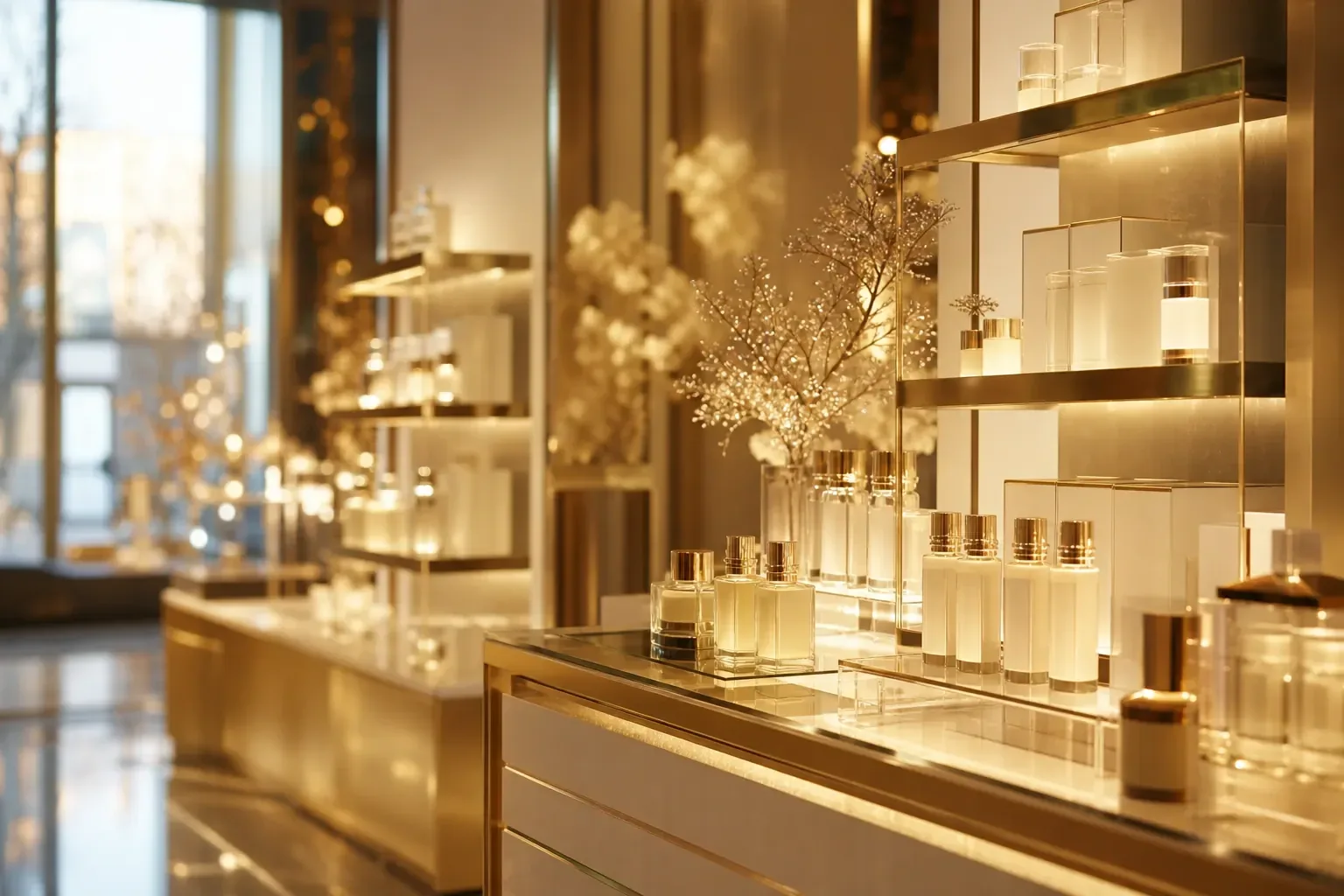
The brand shelf turns a neutral stretch of shelving into owned territory, with graphics and lighting.
3. Comparison table: which type by objective
| Type | Location | Best for | Typical duration |
|---|---|---|---|
| Counter | Till / counter | Impulse, minis | Short campaign |
| Floor / gondola | Aisle, gondola end | Full range, rotation | Medium-long |
| Island / podium | High-traffic zone | Launch, awareness | Campaign |
| Tester | Next to the category | Trial and conversion | Permanent |
| Column / totem | Narrow spaces | One brand, launch | Medium |
| Brand shelf | Shelf section | Loyalty | Permanent |
4. How to choose without getting it wrong
The rule of thumb we apply with our clients:
- If the goal is launch awareness → island or column in a traffic zone.
- If the goal is to sustain sales of a range → floor gondola or brand shelf.
- If the goal is to capture the new customer → a well-resolved tester, no question.
- If budget is tight and you want impulse → counter display by the till.
And one decision that cuts across all the above: if you’re going to repeat your presence campaign after campaign, consider a modular, reusable format instead of building from scratch each time.
📖 We explain it in depth in Reusable and modular POS displays: how to cut waste per campaign →
Frequently asked questions
Which display type sells most in cosmetics?
There’s no single winner: it depends on the objective. For converting a new customer, the tester display is unbeatable because in cosmetics trying is buying. To sustain sales of a range, the floor gondola. For launch awareness, the central island.
How long does a cosmetics display last?
A cardboard display for a short campaign lasts 4 to 8 weeks; a floor display in mixed materials, several months; a permanent unit (metal, acrylic, wood) 3 to 7 years if it’s designed modular and only the graphics are refreshed.
Can I combine several types in one campaign?
Yes, and it’s often the most effective approach: island at the entrance for awareness, gondola in the aisle to sustain the sale and counter at the till for the final impulse. The key is that the graphics stay consistent across all three.
Which display does your brand need?
At Atamark we design and manufacture all six types, with FSC and PEFC chain of custody and a modular option. Tell us the product, the store zone and the objective, and we’ll propose the format (or combination) that will deliver the most return.
→ Request a quote · See POS solutions for cosmetics · Cosmetics POS display guide